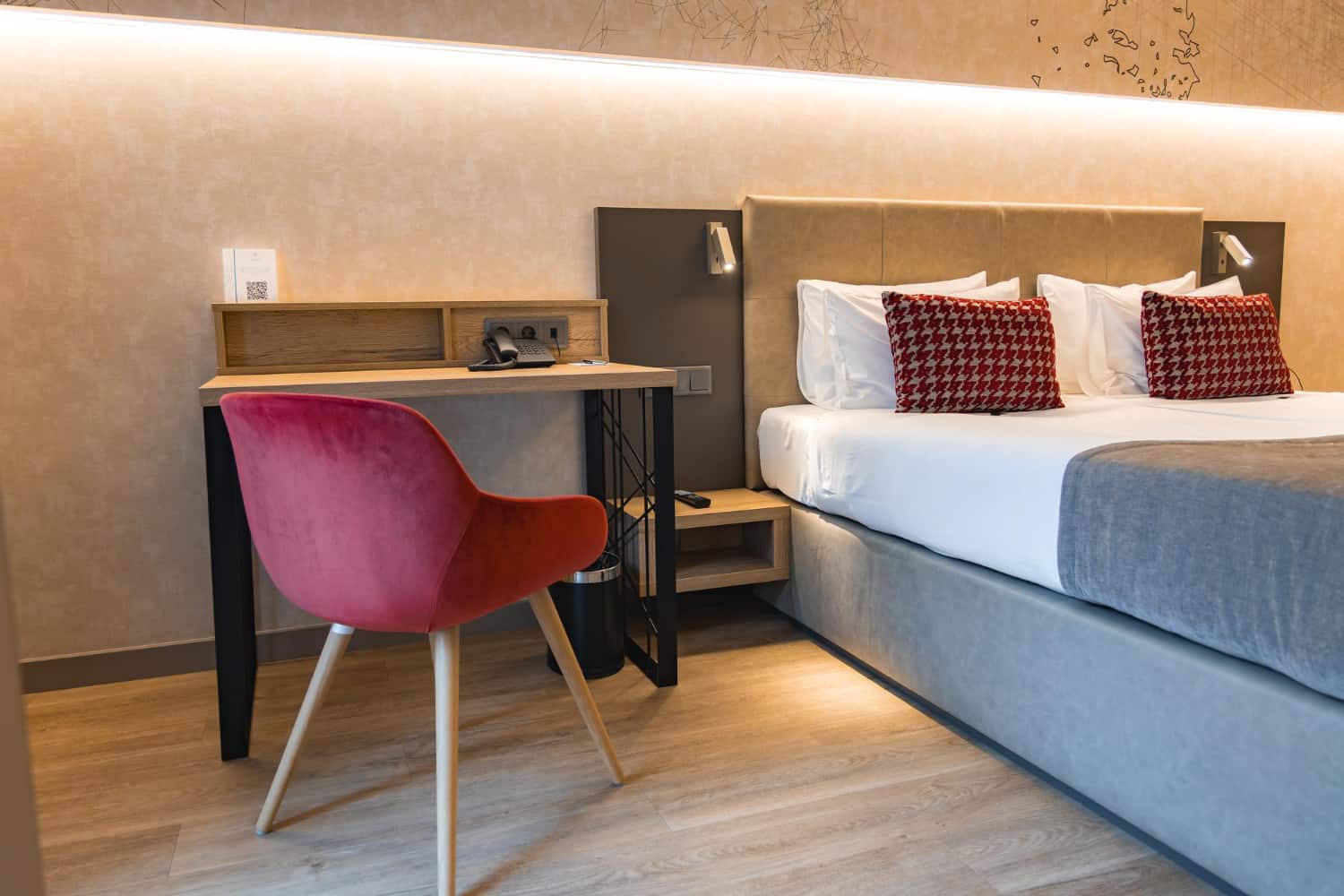
If you are comparing a hotel furniture manufacturer in Turkey vs China vs Europe, you are already asking the right question. Still, the “right” answer can feel unclear. One supplier may look cheaper, another safer, and a third promises faster shipping. Meanwhile, your opening date does not care about promises. It depends on furniture arriving on time, passing inspection, and fitting perfectly in real hotel rooms.

In hotel projects, cost, quality, and lead time constantly compete with each other. A low quote may hide expensive freight, weak packaging, or rework. A higher quote may hide slow approvals, limited capacity, or rigid customization processes. Distance also matters—shipping time, customs procedures, and the simple fact that bulky furniture requires careful logistics planning.
The good news is that you can make a clear and confident decision by comparing regions using the same criteria: total landed cost, repeatable quality, and schedule reliability—instead of only comparing the price at the bottom of a quotation.
You should also consider regulatory standards. For example, European markets often expect formaldehyde classifications such as E1 for wood-based panels, and EN testing standards frequently appear in documentation requirements. If your hotel brand prioritizes indoor air quality, these certifications matter as much as finishes and fabrics.
Let’s break down the comparison in a practical way to help you choose with confidence.
Hotel furniture is rarely “buy it and forget it.” Instead, it moves through a structured project rhythm:
Different regions often perform better at different stages. China’s larger manufacturers can be highly organized once technical approval is finalized. Turkey often moves quickly with revisions and mixed-material coordination for hospitality projects, especially for nearby markets. European suppliers tend to be strongest when design standards are premium and compliance documentation is critical.
An important detail: lead time does not start when payment is made. Many factories begin counting production time after drawings are approved and finishes are confirmed. If project approvals are delayed, even a “fast supplier” will appear slow. This is not a supplier issue—it is simply how the production process works.
A hotel furniture quote is only the beginning. Your total landed cost usually includes:
This is why Turkey, China, and Europe can appear either “close” or “far apart” depending on the destination.
Labor costs also influence pricing. Average manufacturing wages in the EU are generally higher than in emerging markets. However, this does not automatically mean Europe is overpriced—it often competes through productivity, design quality, and reliability.
Turkey’s furniture industry is highly export-oriented and has strong capability in custom hospitality manufacturing. Industry reports regularly note that Turkish furniture exports reach billions of dollars annually, reflecting the sector’s global production capacity.
Where Turkey tends to win
Many Turkish hospitality manufacturers indicate typical production timelines of several weeks, although the exact schedule depends on project complexity and approval stages.
Where Turkey can face challenges
For projects in regions such as Greece, the Balkans, Italy, Germany, the Gulf, or North Africa, Turkey often represents a practical middle ground—neither the cheapest nor the most expensive, but easier to coordinate and manage for international hospitality projects.
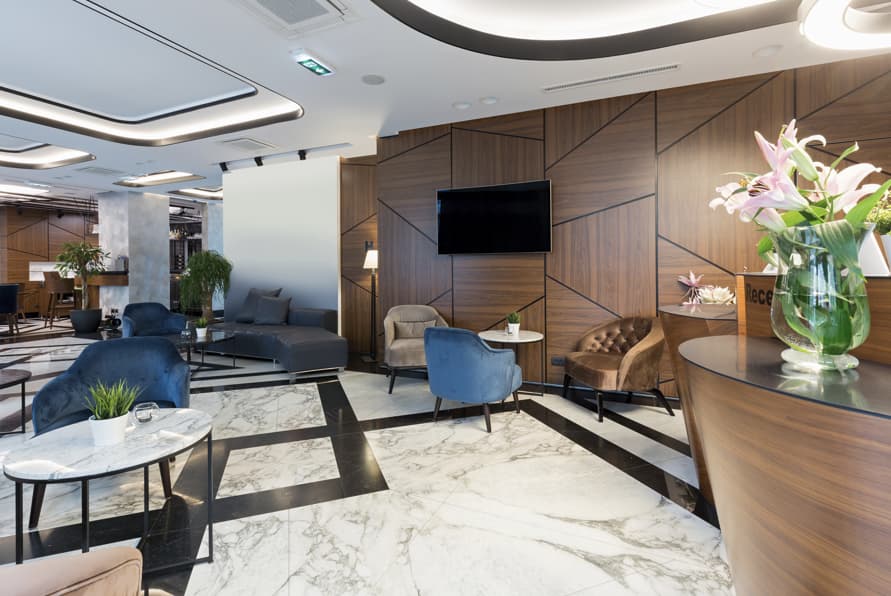
China remains one of the most diverse sourcing markets for furniture manufacturing. It has a deep supplier ecosystem including casegoods, metalwork, upholstery, stone surfaces, lighting partners, and packaging specialists. For large hospitality rollouts, this supply chain depth can be very powerful.
Where China tends to win
Many sourcing guides and manufacturer documents describe production timelines of roughly two to three months after approvals for custom hospitality packages, in addition to prototype development time.
Where China can create challenges
Rail freight can sometimes reduce transit time compared to ocean shipping. Many logistics providers report China–Europe rail routes operating within a “weeks, not months” timeframe, although routing and geopolitical factors can still affect reliability.
Europe—especially Italy, Germany, Portugal, Poland, and the Baltics—has strong contract furniture manufacturing capability. Projects often pay for refined design language, predictable standards, and strong brand reputation.
Where Europe tends to win
Where Europe can be challenging
For flagship hotel projects where furniture design plays a central role in the brand story, Europe can often be the safest reputation-driven choice.
“Quality” is not a feeling. It is measurable. No matter the region, ask for:
Also, do not skip quality inspections. Independent inspection processes and checklists are widely used in furniture supply chains, and a structured inspection plan is often cheaper than late-stage rework.
A simple tactic that works everywhere: approve a mock-up room and treat it like law. If the mock-up is loose, production will be loose. If the mock-up is strict, production becomes predictable.
Lead time has three main parts:
Typical production lead times for furniture can commonly fall in the “several weeks to a few months” range depending on customization and volume. Some industry discussions put solid-wood furniture lead times in the 8–12 week window under normal conditions, with variation based on complexity.
Then transit changes the game:
Practical scheduling tip: build a buffer for finish approval delays. Finishes are where hotel projects quietly lose weeks, because lighting, sheen, and color shift under real conditions.
Even if the furniture looks perfect, missing compliance can create headaches.
For Europe-facing projects, formaldehyde and indoor air considerations appear often in panel classifications like E1, referenced by EU-focused documents and EN test frameworks.
If you ship to the United States, composite wood products in finished goods (including furniture) intersect with federal formaldehyde rules under TSCA Title VI.
Sustainability rules also matter. The EU’s deforestation-free products regulation sets expectations around due diligence and supply chain traceability for relevant commodities and wood-based products.
In plain language: ask for traceable wood sourcing and keep your documents tidy. It is boring, yes, but it prevents ugly delays at the worst possible time.
Use a weighted scorecard. Give each region a score from 1–5:
Typical patterns:
If you are torn, do not split by region randomly. Split by category:
Include these attachments and questions:
This creates clarity. And clarity is cheaper than arguments.
Choose Turkey when your project is close enough that trucking and site visits make life simpler, and you want a strong balance of cost and customization speed. Choose China when you need scale, you can lock specs early, and you have a disciplined QC and logistics plan. Choose Europe when premium finish, brand perception, and compliance certainty are worth paying for, especially on flagship properties.
Most importantly, decide based on your project’s pain point:
When you match the region to the real risk, sourcing becomes less stressful—and surprisingly more enjoyable.
Ask every supplier to quote the same scope with the same Incoterms, packing spec, and finish schedule. Then compare landed cost, not unit price.
Plan for drawings, a mock-up room, production, and shipping. Production commonly falls into a multi-week window, while shipping varies sharply by region and mode.
Not always. China can be cheaper on unit price, yet long shipping time, freight cost, and rework risk can raise the true total.
Europe often delivers excellent finishing and compliance comfort, but quality also depends on factory tier and how strict your mock-up approval is.
Late changes. If you change finishes, hardware, or dimensions after sign-off, you can lose weeks and money in any region.
Ask for panel emission classifications and test documentation where relevant, plus wood traceability evidence for EU-bound projects.

WhatsApp us